
Tatra National Park
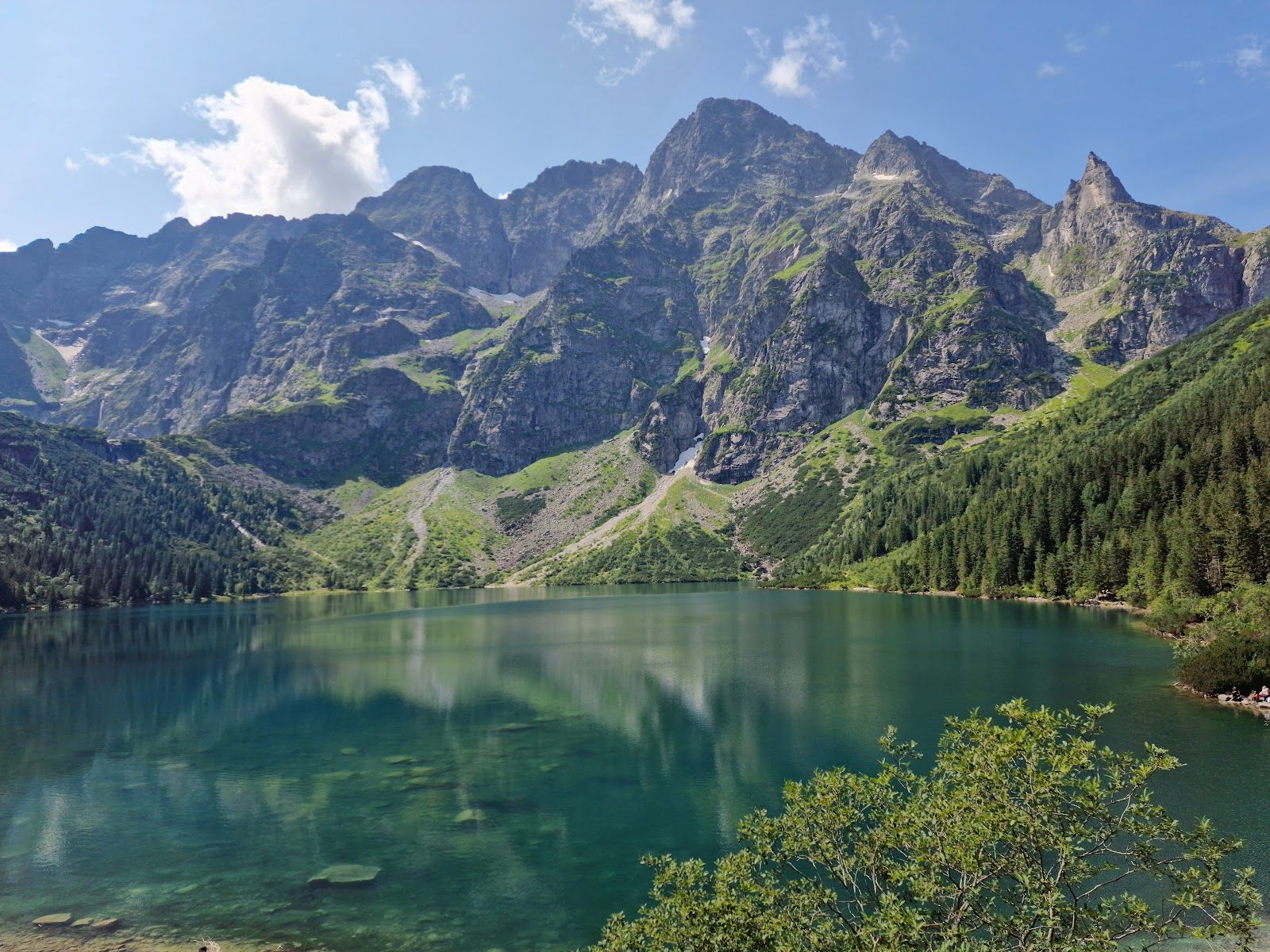
Tatra National Park covers 21,197 hectares on the Polish side of the Tatras and has been operating since 1 January 1955. The park counts about 1,000 vascular plant species, close to 200 of them found nowhere else in the country, and 275 kilometres of marked walking trails. Rysy, the highest summit inside the park, is 2,499 metres.
One park, two Tatra landscapes
Tatra National Park is a Polish state body based at Kuźnice 1 in Zakopane. The park’s own description says it is one of 23 national parks in Poland and that it covers 21,197 hectares. With the Slovak side it treats the mountains as one natural whole of about 100,000 hectares under protection. The highest summits inside the park pass 2,400 metres. Rysy is given as 2,499 metres. The High Tatras hold an alpine landscape. The western summits are milder. The legal page dates the park to a regulation of the Council of Ministers of 30 October 1954, with operations from 1 January 1955. The director is appointed by the minister responsible for the environment and sets how areas of the park are opened to visitors.
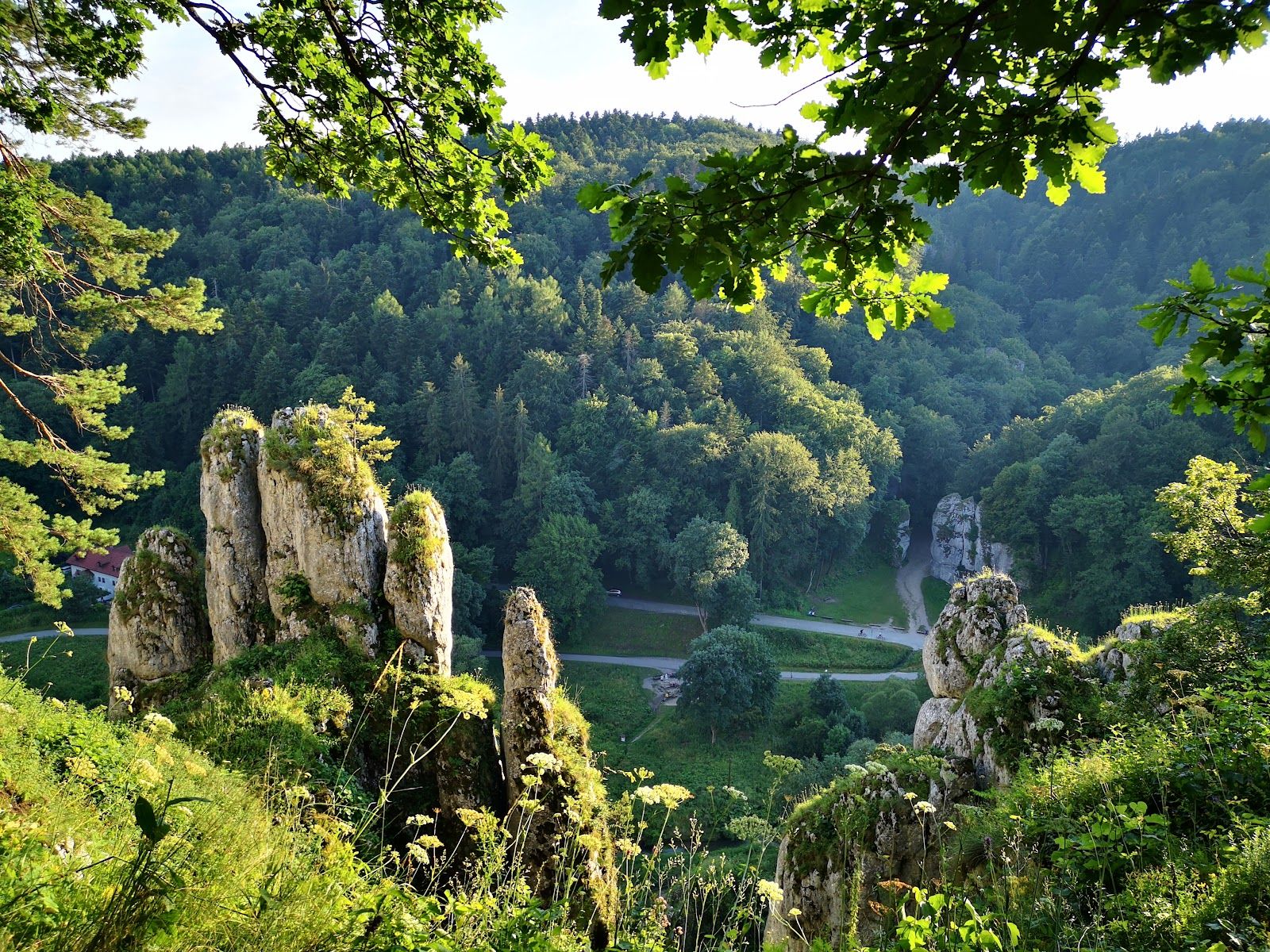
The same description puts the geology at over 400 million years, and says a single step on a trail can cross into another geological age. It credits glaciers with the present look of the mountains: the lakes and the steep rock walls. About 1,000 vascular plant species live in the Polish Tatras, and close to 200 of them are not seen in other parts of the country. Chamois are named as the animal used as the park’s symbol, easy to pick out on the high meadows. Wolves, lynx and bears are listed as the large European predators that also live here. The park asks visitors to follow its instructions so a meeting with those animals does not become dangerous. Movement limits are described as protection for the plants and animals and as a safety measure for walkers and climbers.
What the trail network actually offers
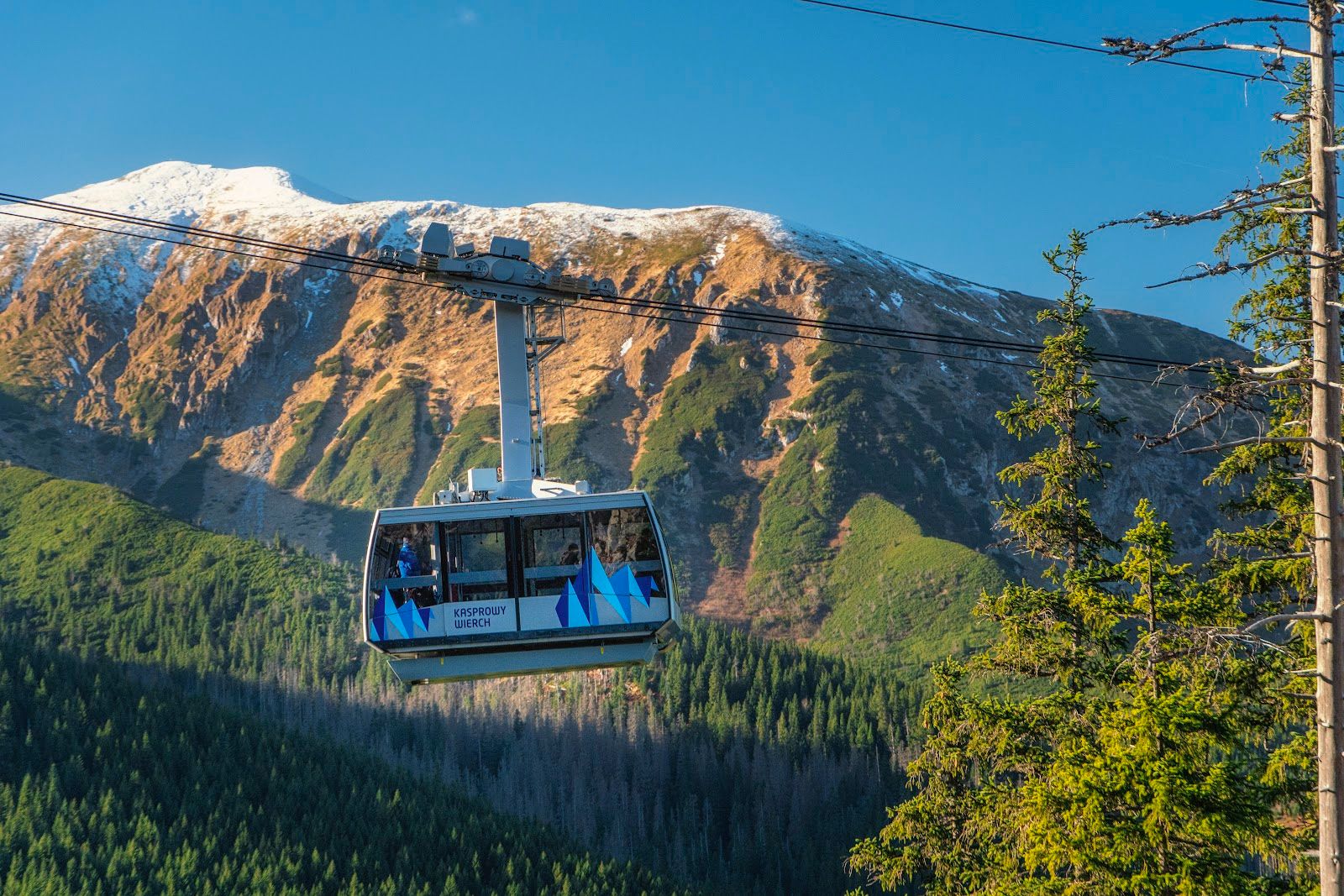
Marked walking trails run 275 kilometres. In winter, except for three sections, ski-tour skiers may use them too. The network is described as reaching the best viewpoints and the places where the uncommon plants and animals can be watched. On exposed ground, or where the technical difficulty is high, the park has fixed artificial aids: clamps, chains and ladders. Surface climbing is allowed in named areas: around Morskie Oko, on Hala Gąsienicowa, and in Dolina Lejowa and on Jaroniec in the Western Tatras. Over 800 caves are inventoried. Six are open to tourists and 25 to cave climbers. Downhill skiers are pointed to prepared runs around Kasprowy Wierch, on Hala Gąsienicowa and in Dolina Goryczkowa. Eight PTTK mountain huts operate in the Polish Tatras.
The education rooms are listed separately from the trails. There is a nature exhibition and garden at the nature education centre, ul. Chałubińskiego 42a, a lapidarium of rocks and plants at ul. Karłowicza that follows the geological map of the Tatras, a history exhibition in the granary, and outdoor displays at Kuźnice. Entry fees, the park says, pay for tourist infrastructure, including hired portable toilets, trail cleaning and repairs, and replacement of signs, and for nature education and nature protection. Fifteen percent of entry-fee income supports the Tatra Volunteer Rescue Service. A ticket is required on every trail, bought at an entry point, online at tpn.gov.pl, or from the QR codes posted at the entrances.
FAQ
Is the park step-free, and how do I reach an entrance from Zakopane?
The park pages checked here do not describe a step-free route across the trail network. One signed route, Palenica Białczańska to Morskie Oko, is marked as suitable for wheelchairs. No single bus line is printed as the way into every valley. The seat of the park is Kuźnice 1, 34-500 Zakopane. The secretariat is +48 18 20 23 200 on weekdays 7:00–15:00. The e-ticket line is +48 885 989 427, daily except holidays, 7:00–13:00, and it does not answer text messages.
Do I need a ticket on every trail, and who walks in free?
Yes. Entry is charged whatever the trail. A normal ticket is PLN 11 and a reduced ticket PLN 5.50. A seven-day ticket is PLN 55 or PLN 27.50. A group ticket covers up to 10 people at PLN 99 or PLN 49.50. Free entry requires a document at the gate. The park lists permanent residents of Zakopane, Kościelisko, Poronin, Bukowina Tatrzańska and Biały Dunajec, TPN volunteers, licensed Tatra guides and instructors, mountain rescuers, school groups in a programme agreed with the director, and people going by the shortest path to named chapels. Teachers and carers of a school group are not exempt. Exemptions do not cover Frosty Cave. Children under 7 still need a reduced cave ticket.
Can I change or return an e-ticket, and what about Chochołowska Valley?
Email ebilety@tpn.pl by 12:00 on the day before the ticket date, or change the date yourself in the user panel from the purchase email, by the same deadline. Ask for an invoice before you pay, or it will not be issued. Chochołowska Valley is mostly the property of the Forest Community of the Eight Entitled Villages in Witów, which sets its own entry fee. A bicycle there usually means an extra charge, often equal to another entry ticket, and the Siwa Polana desks often take cash only.